Guidepoint Qsight has released new data revealing how GLP-1 weight loss medications are transforming the $17.5 billion Medical Aesthetics industry. According to their findings, these medications are driving substantial growth for aesthetic practices across the United States.
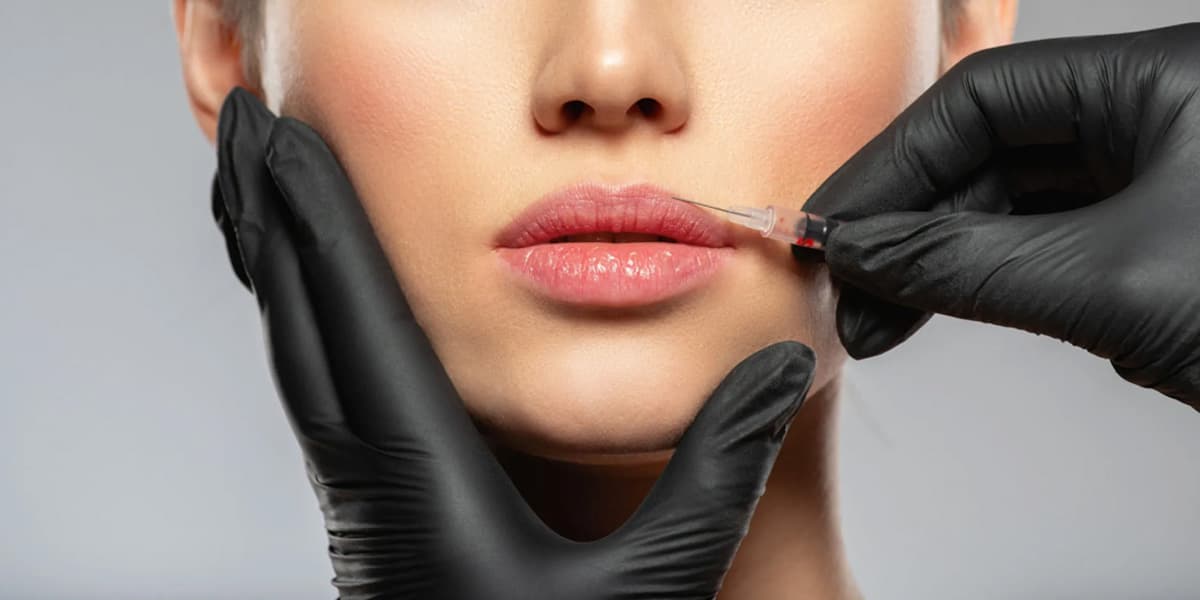
Neurotoxins maintained their position as the leading non-surgical aesthetic treatment, with total patient spending increasing by 4 percent. Meanwhile, surgical procedure spending remained relatively flat in 2024, highlighting the ongoing consumer shift toward non-invasive treatments.
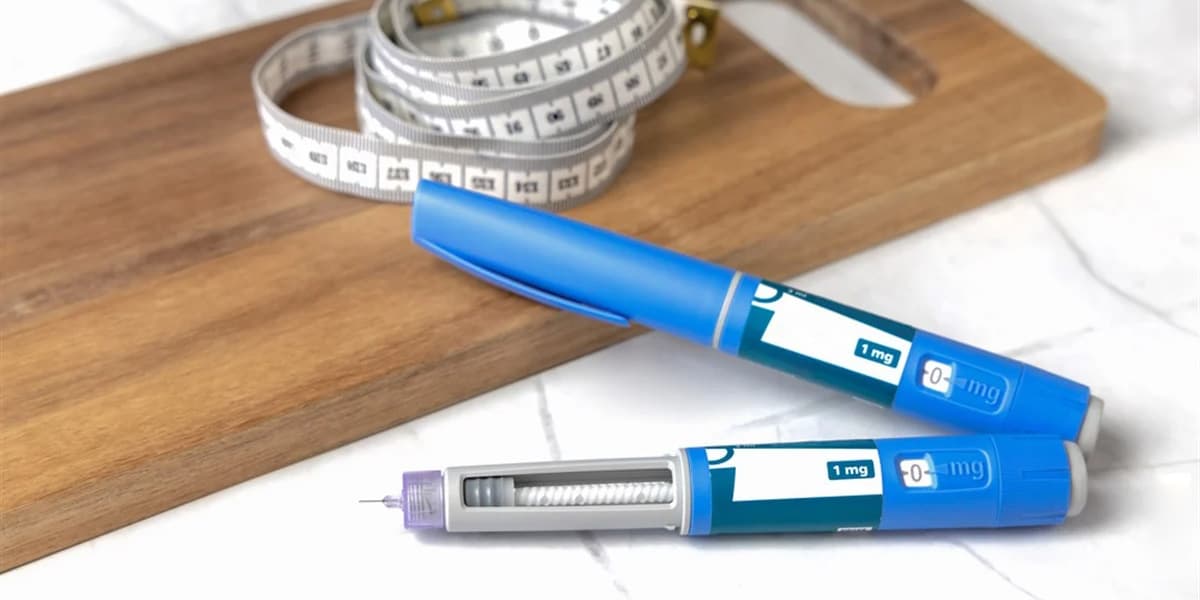
The most dramatic impact comes from GLP-1 medications, which have become a significant growth engine for the industry. Practices offering these weight loss treatments saw their revenue increase by an average of 9 percent, while those without GLP-1 offerings experienced a 2 percent decline. For practices that provide them, GLP-1 medications now account for approximately 15 percent of monthly revenue, with about 40 percent of GLP-1 patients in 2024 being first-time customers.
“The medical aesthetics industry is continuously evolving, with GLP-1 medications fundamentally reshaping how aesthetic practices approach patient acquisition and revenue generation,” says Erik Haines, managing director of Guidepoint Qsight. “Our data indicates that practices embracing these innovations are outpacing their peers. Weight loss spending now significantly surpasses non-energy-based device skin rejuvenation and professional grade skincare, becoming the fourth largest non-surgical aesthetics segment we track.”
Medical spas are leading adoption of these weight loss treatments, with 60 percent now offering GLP-1 services compared to just 35 percent of aesthetic physician offices. The data also shows that average spending per patient across all aesthetic practices grew by 5 percent to $1,471 in 2024, suggesting consumers’ increasing willingness to invest in aesthetic treatments.