

Galderma has signed an agreement to acquire ZO Skin Health in a transaction valued at $1.5 billion, bringing a potential change of ownership to a skincare supplier used by aesthetic clinics and medical spas. The announcement matters to operators who build retail sales around professional recommendations, particularly those already stocking both ZO and Alastin.
The transaction remains pending. In its October 14 announcement, Galderma said it expects closing in the fourth quarter of 2026 or early 2027, subject to regulatory approvals and customary conditions. For clinics planning purchases or setting next year’s retail budget, that distinction should guide the response: review the relationship and request specifics before making changes based on the headline.
What the agreement covers
Galderma plans to buy 100% of ZO from shareholders including Blackstone-managed funds and the Obagi family. The stated $1.5 billion is an enterprise value, with the all-cash transaction subject to customary adjustments. Galderma’s legal adviser, Ropes & Gray, separately confirmed its role in the agreement.
Galderma describes ZO’s retinol- and acid-based daily regimens as complementary to Alastin’s peptide-based pre- and post-procedure offering. It also says it intends to increase commercial investment during its first year of ownership. The announcement does not set out new clinic pricing, minimum orders or account terms.
A broader supplier relationship
For a practice that stocks both brands, the proposed combination raises a useful purchasing question: how much of its skincare business would sit with one corporate group after closing? Separate brand labels can make a retail assortment look more diversified than its ownership structure suggests.
Owners can assess that exposure using their own sales and purchasing records. Start with each brand’s share of retail revenue, gross profit and inventory value, then look at the products patients consistently reorder. A line that occupies little shelf space may still account for a substantial portion of repeat purchases. Conversely, a broad assortment can tie up cash if only a few products sell reliably.
This review should inform discussions with representatives rather than trigger an automatic supplier switch. A clinic with strong patient demand and reliable replenishment has different priorities from one carrying slow-moving stock. The acquisition agreement alone provides no basis for assuming either business would benefit from expanding or reducing its orders.
Distribution deserves close attention
ZO’s existing US product-authenticity guidance directs customers to its official website and authorized retailers. It warns that it cannot guarantee the authenticity, quality or condition of products bought through unauthorized sellers. That makes authorized online sales part of the present distribution picture, alongside professional accounts.
The practical question for a clinic is how its role in that picture will be supported. Owners should ask their representative how patients are directed to local providers, which online selling arrangements their account permits and where to report suspected diversion. Any answer about future arrangements should identify whether it is an existing policy, an announced change or a possibility still under discussion.
For retail teams, a clear explanation of the clinic’s service is more useful than speculation about ownership. Product selection, instructions consistent with the treating professional’s recommendations and access to follow-up are tangible parts of the purchasing experience. Staff should be able to explain those services without claiming that products available elsewhere are necessarily counterfeit or that the acquisition guarantees better results.
Questions to put to the account team
A short written inquiry can separate immediate operational issues from longer-term plans. For clinics preparing 2027 budgets, the most useful questions concern:
Ordering and service: Are any changes to ordering systems, account contacts, fulfillment or support planned, and when will clinics receive formal notice?
Commercial terms: Have changes to wholesale pricing, order thresholds, freight, testers or return arrangements been announced for this account?
Education: What training is currently available, who delivers it and what support can the clinic actually schedule?
Online retail: Which authorized channels and account-specific selling permissions apply today?
These are diligence questions, not reported consequences of the transaction. Keep written answers with the relevant account documents, especially when a purchasing decision depends on a promotion or a promised service. A representative’s general enthusiasm about the combination is not a substitute for an effective date and confirmed terms.
Keep purchasing and clinical decisions separate
Any future commercial offer should be evaluated against the clinic’s actual needs. A discount that requires substantially more inventory may be less attractive once sell-through, expiration dates and cash committed to stock are considered. Compare the total commitment with ordinary replenishment, including products the practice would not otherwise buy.
Likewise, a shared owner should not become a reason to present different product lines as interchangeable. Clinics should continue to base product recommendations and treatment-related instructions on the responsible professional’s assessment and the relevant product information. Staff education should make the distinctions between products easier to explain.
The next meaningful milestones are confirmation that the transaction has closed and any specific communications to professional accounts. Until then, the strongest response is a measured one: understand the clinic’s exposure, document current arrangements and evaluate concrete proposals when they arrive. That gives owners a sound basis for decisions without turning a pending acquisition into an assumed change at the retail counter.
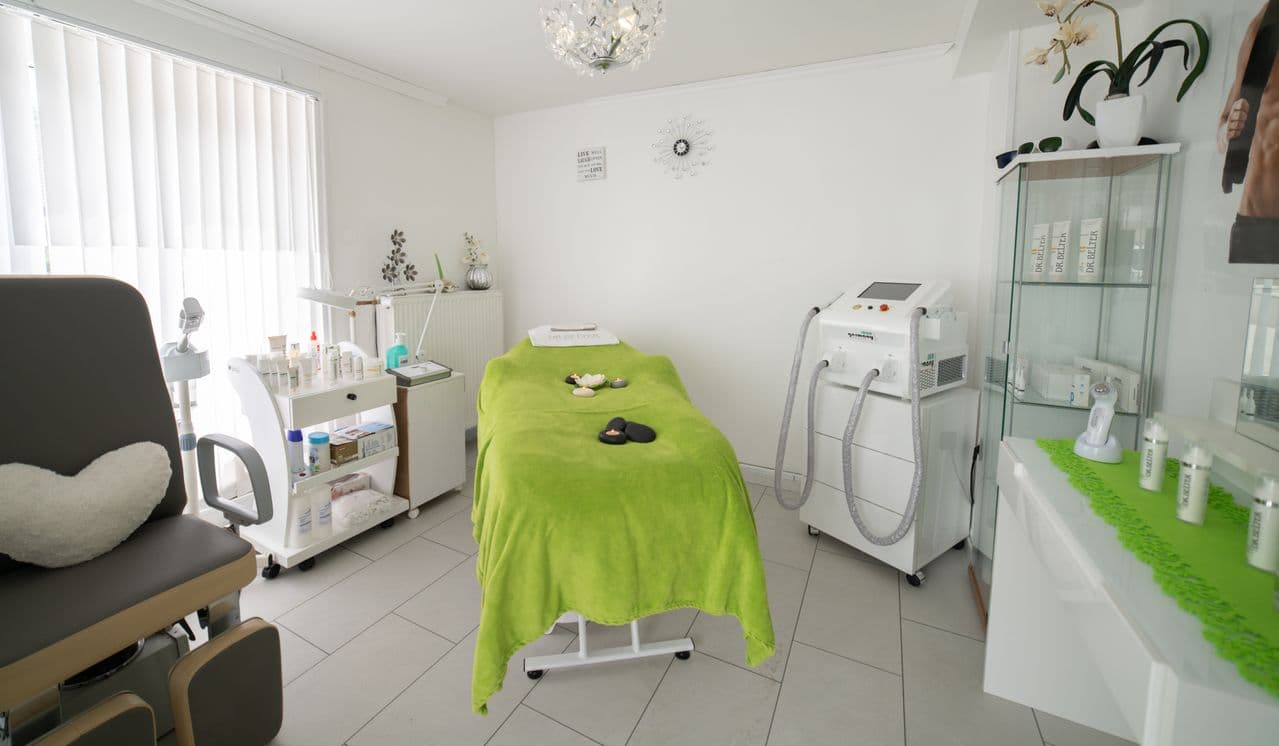
Illustrative image of a treatment room. Photo: Nico Becker / Pexels.